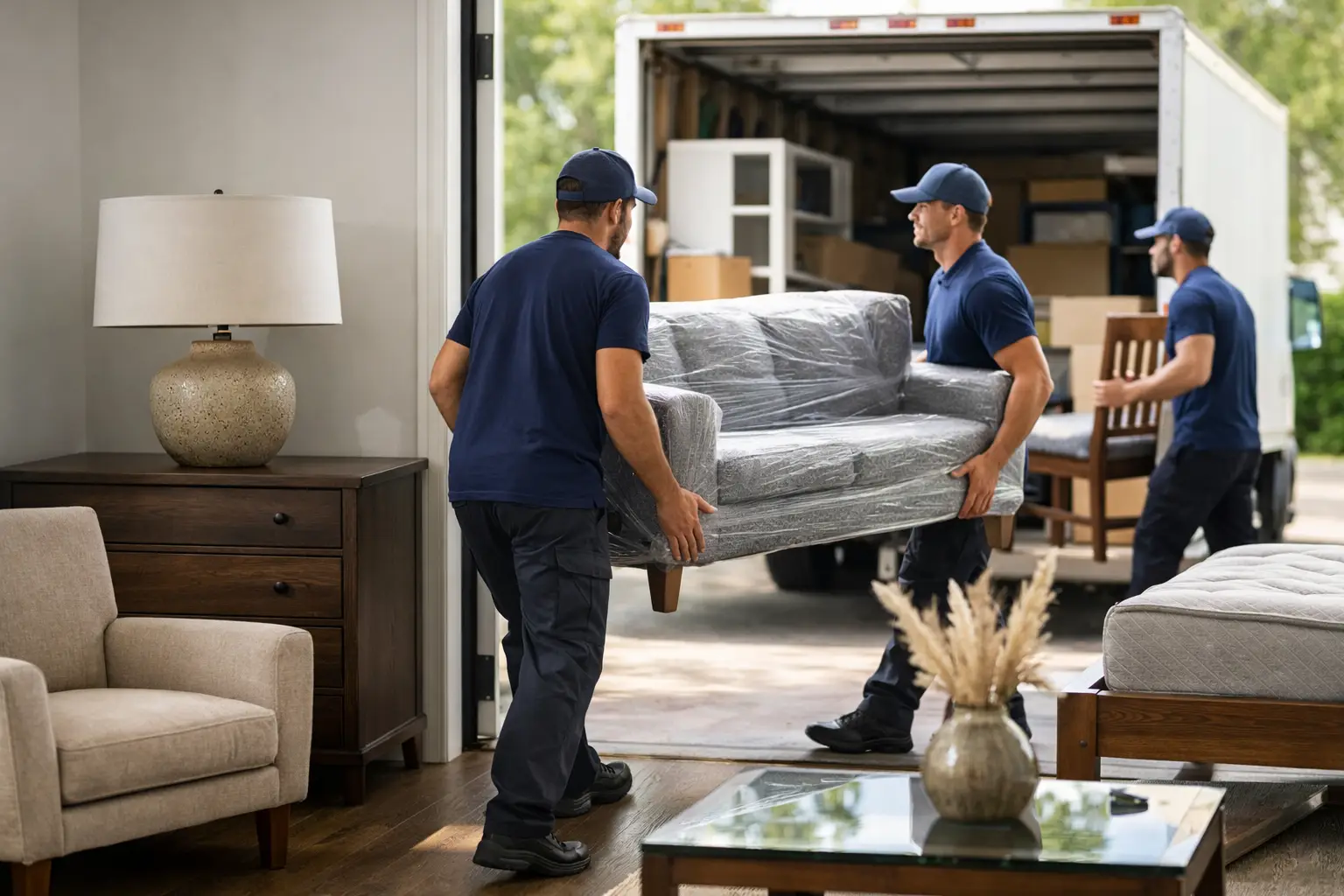
A large sectional in a third-floor apartment, a solid wood dining table, or an office full of desks can all raise the same question: what furniture will movers move? In most cases, professional movers handle the standard furniture that makes up a home or workplace. The real answer depends on the item’s size, condition, access at both locations, and whether it requires special equipment or advance approval.
A clear inventory is the fastest way to avoid surprises. When you request a quote, include the furniture you expect to move, note anything unusually heavy or oversized, and mention stairs, elevators, narrow hallways, or long carrying distances. That gives the moving team the information needed to plan the right crew, equipment, and schedule.
What Furniture Will Movers Move in a Typical Move?
Professional movers commonly move everyday household and office furniture that can be safely lifted, protected, loaded, transported, and unloaded. For a residential move, that usually includes sofas, loveseats, recliners, chairs, dining tables, beds, dressers, nightstands, desks, bookshelves, coffee tables, media consoles, and cabinets.
For commercial moves, common items include office desks, task chairs, conference tables, filing cabinets, shelving units, reception furniture, breakroom tables, and standard cubicle components. Movers may also handle furniture being moved within the same building, such as relocating workstations from one suite or floor to another.
The key word is safely. A piece of furniture does not need to be new or lightweight for movers to handle it. A heavy armoire or antique dining set may be movable, but it needs enough room for safe carrying and may require extra wrapping, disassembly, or additional crew members.
Furniture movers usually disassemble and reassemble
Many furniture items travel better when partially disassembled. Bed frames are a common example. Movers may remove headboards, footboards, rails, legs, or removable shelves so the piece fits through doorways and rides securely in the truck.
Dining tables with removable legs, sectional sofas with detachable sections, and certain desks may also need to come apart. Reassembly is often available, but it should be confirmed when arranging the move. Not every item is designed for repeated assembly, and furniture that is already damaged or unstable may need special handling instructions.
Before moving day, remove loose drawers, shelves, glass inserts, and accessories when possible. Emptying furniture makes it lighter and reduces the chance of damage during carrying. It also helps movers assess the actual weight and condition of each piece.
Items That Need Special Planning
Some furniture falls outside a standard moving plan because it is exceptionally heavy, delicate, expensive, or difficult to access. That does not automatically mean movers will not take it. It means the item should be disclosed before the quote so the company can determine the appropriate approach.
Pianos are a familiar example. Upright and grand pianos have unusual weight distribution and delicate internal components. They often require specialized equipment, trained handling, and a crew prepared for stairs or tight turns. Pool tables can present a similar issue because proper disassembly and reassembly may be necessary to protect the frame and leveling system.
Large safes, stone-top tables, oversized entertainment centers, commercial display cases, and unusually heavy filing cabinets may also require additional planning. A safe that is bolted to the floor, for example, must be professionally released before it can be moved. A stone or glass tabletop may need separate crating or protection depending on its size and condition.
Antique, heirloom, and designer furniture should be identified in advance as well. These pieces can often be moved, but the moving team needs to understand their value and construction. Veneer, loose joints, hand-carved details, fragile glass, and aged wood all affect how an item should be wrapped and carried.
Access can determine whether furniture is movable
The furniture itself is only part of the equation. A sofa that fits easily through your current front door may not fit through the hallway or elevator at the destination. Tight stairwells, low ceilings, sharp turns, gated entries, and limited truck parking can all change the plan.
Measure oversized items before moving day, especially sectionals, armoires, large desks, and appliances built into furniture systems. Then measure doorways, elevators, stair landings, and halls at both locations. If an item will not fit through a normal route, the move may require furniture disassembly, a different entry point, or a specialized solution.
For apartment and condominium moves, check building requirements early. Many properties require a certificate of insurance, elevator reservation, loading-dock scheduling, or specific moving hours. These details can affect how much time is needed and whether the move can proceed as planned.
Furniture Movers May Not Move
Moving companies generally cannot transport every item in a home or business. Safety rules, insurance requirements, and practical limitations may exclude certain belongings even when they are attached to or stored inside furniture.
Movers typically will not transport hazardous materials, including gasoline, propane tanks, fireworks, paint thinner, ammunition, chemicals, or other flammable and corrosive products. Remove these items from garages, sheds, storage cabinets, and outdoor furniture before the crew arrives.
Furniture containing live plants, pests, active mold, or severe contamination can also be declined. The same may apply to furniture that is structurally unsound, excessively damaged, or unsafe to lift. A dresser with a broken base or a water-damaged cabinet may not hold together during transport, even with careful handling.
Some companies also have restrictions on items with significant cash value or personal sensitivity. Important documents, cash, jewelry, prescription medication, keys, and personal electronics are usually better transported by the customer. The goal is not to make your move harder. It is to keep irreplaceable belongings within your direct control.
How to Prepare Furniture for Moving Day
Good preparation helps the crew work efficiently and protects your furniture from avoidable damage. Start by deciding what is actually worth moving. A low-cost bookcase that is already leaning or a bulky couch that will not fit your new space may be better donated, sold, or disposed of before the move.
Once you have finalized the inventory, empty drawers, cabinets, desks, and shelves. Loose contents add weight and can shift during transport. Label hardware from any furniture you disassemble yourself and keep it in a sealed bag attached to the corresponding item.
Clean furniture before it is wrapped, particularly outdoor pieces, shelving, and items stored in garages or basements. Take photos of high-value or pre-existing damage for your records. If a piece has a weak leg, a loose handle, hidden drawer latch, or another handling concern, point it out to the movers before loading begins.
Create a clear path from each room to the exit. Remove rugs, cords, small décor, and other trip hazards. If furniture is staying behind, label it or place it in a designated area so it is not loaded by mistake. This is particularly useful during office moves, where equipment and furniture may be assigned to different departments or locations.
What to Include in Your Moving Quote Request
Accurate details lead to a more organized moving plan. Describe the number of rooms, the main furniture pieces, pickup and delivery addresses, desired moving date, and access conditions. Include photos when requested, especially for pianos, safes, large sectionals, antiques, and oversized office furniture.
Also mention whether you need packing, furniture disassembly, assembly, or internal moving support. If there are stairs, provide the number of flights. If an elevator is involved, share its dimensions, reservation time, and any building rules. These details help prevent a crew from arriving without the equipment or time needed for the job.
Higgs Moving Service uses move details to organize quote requests and coordinate relocation work clearly. The more complete your inventory is, the easier it is to confirm what can be moved and what requires additional planning.
Can movers move furniture with clothes in the drawers?
It depends on the furniture and the type of move. Lightweight clothing may sometimes remain in sturdy dresser drawers, but heavy items, loose objects, and fragile belongings should be removed. Empty drawers are the safest choice for large or delicate pieces.
Will movers move furniture that is not assembled?
Movers can often transport unassembled furniture if all parts and hardware are present and securely packed. However, confirm whether assembly is included in your service. Flat-pack furniture can be more vulnerable after repeated assembly, so disclose its condition ahead of time.
Do movers move furniture into a storage unit?
Many movers can move furniture into storage, provided the unit has suitable access and the arrangement is included in the quote. Plan the layout before loading so frequently needed items are accessible and heavy furniture is placed safely.
A successful furniture move starts before the truck arrives. Share the full picture, ask about any item that seems unusually heavy or fragile, and give your moving team enough information to plan for safe, professional handling.
