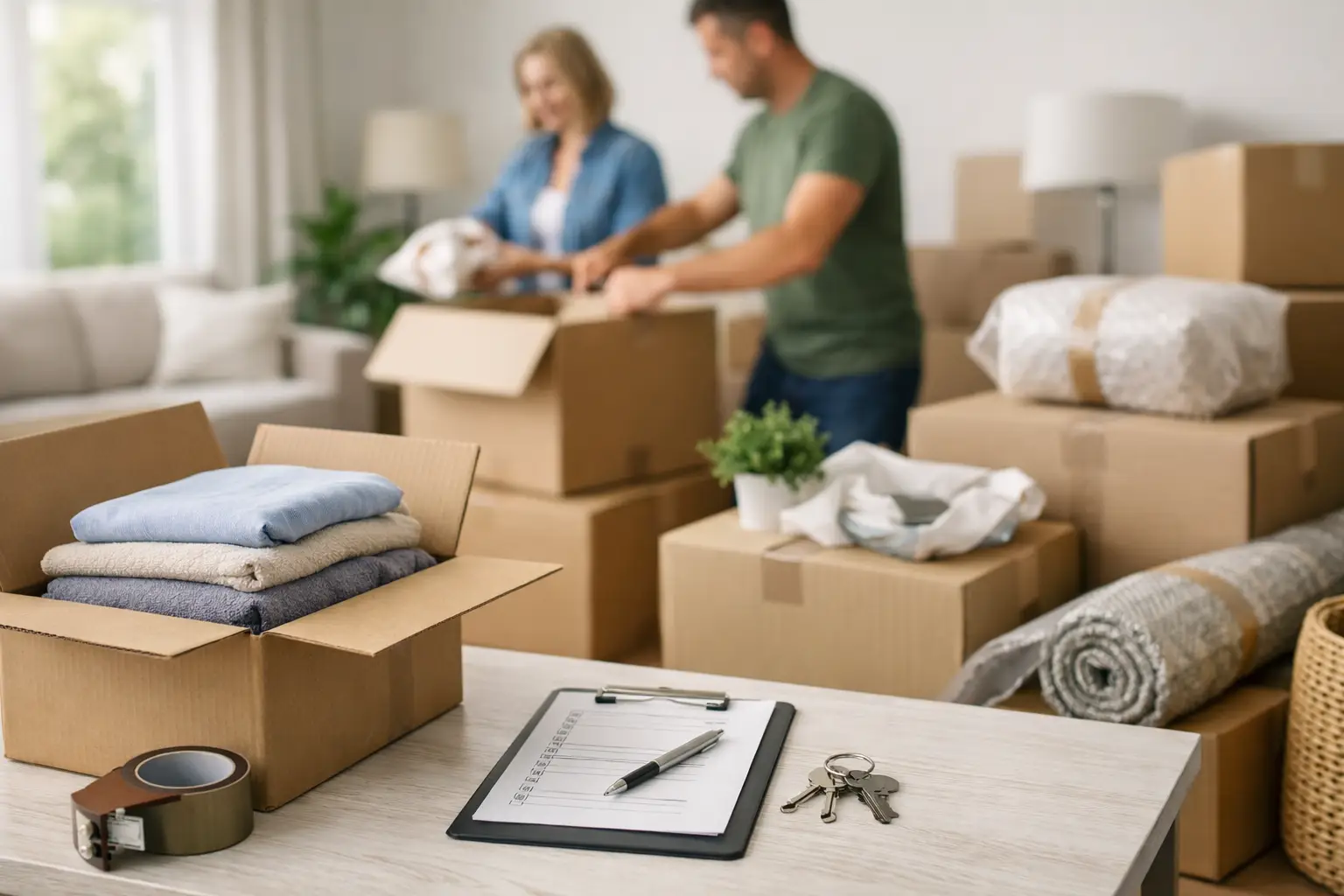
A local move can look simple on a calendar: load in the morning, unload by afternoon. In practice, knowing how to pack for a local move is what determines whether that short distance feels manageable or turns into a day of misplaced essentials, damaged items, and repeated trips back for forgotten boxes.
The advantage of moving nearby is flexibility. You may be able to move a few loads yourself, access both homes on the same day, or return for an overlooked item. That flexibility can also lead to poor planning. Treat a local move with the same organization you would give a longer relocation, while using the shorter distance to make smart decisions about timing and packing.
Start With a Packing Plan, Not Boxes
Before buying supplies, walk through every room and decide what is moving, what is being donated, what can be discarded, and what needs special handling. Packing things you no longer use adds cost, labor, and clutter to your new space. A local move is an especially good time to avoid carrying items from one closet to another simply because there is room on the truck.
Set your move date, then work backward. Most households benefit from beginning nonessential packing two to three weeks ahead. Start with guest-room items, wall decor, books, seasonal clothing, storage areas, and extra kitchen equipment. Leave daily-use items until the final few days.
Create a simple system for each box. Write the destination room, a short description of the contents, and whether the box is fragile. Numbering boxes can help as well, particularly if you are coordinating movers, family members, or multiple loads. For example, a label reading “Kitchen 4 - glasses and mugs - fragile” is far more useful than “Kitchen.”
Gather Supplies That Protect Your Belongings
Use boxes in good condition and choose sizes based on weight, not just available space. Small boxes are best for books, canned goods, tools, and other dense items. Medium and large boxes work better for linens, pillows, clothing, and lightweight kitchen items. An oversized box filled with books is difficult to lift safely and more likely to break.
For most local moves, keep these supplies on hand:
- Small, medium, and large moving boxes
- Packing paper, bubble wrap, and sturdy tape
- Permanent markers and box labels
- Stretch wrap for furniture and drawers
- Mattress bags, moving blankets, and furniture pads
Local distance does not eliminate the need for protection. A box can shift in a truck during a five-minute drive, and furniture can be scratched while passing through a doorway or elevator. Use clean packing paper rather than newspaper for dishes and glassware, since newsprint can transfer ink. Fill empty spaces in boxes with paper, towels, or linens so contents do not move around.
How to Pack for a Local Move Room by Room
Packing by room keeps the process organized and makes unloading easier. Finish one area before moving to the next whenever possible. It is tempting to collect a few items from every room, but mixed boxes slow down unpacking and make inventory harder to track.
Kitchen
The kitchen often takes longer than expected because it contains fragile, irregularly shaped, and frequently used items. Pack rarely used appliances and serving dishes first. Wrap plates individually and place them on their sides in a sturdy box, with paper cushioning between layers. Nest pots and pans with packing paper between surfaces to prevent scratches.
Use small boxes for pantry items. Check expiration dates as you pack, and avoid moving open containers that may leak. If your move is only a short distance, you may choose to transport refrigerated food in coolers, but plan the timing carefully. On a warm day, food safety matters even during a local relocation.
Bedrooms and Closets
Pack off-season clothes first, then use wardrobe boxes or clean garment bags for hanging clothes you need until move day. Do not overfill dresser drawers. Lightweight clothing can sometimes remain in place if the furniture is sturdy and the mover approves, but remove loose items, breakables, and anything that could shift.
Place jewelry, medications, important documents, and small electronics in a personal bag that stays with you. These items should not be packed into the moving truck. Keep chargers with the devices they serve, and label cords or place them in clearly marked bags.
Living Areas and Home Office
Take photos of electronic connections before disconnecting televisions, computers, routers, and entertainment systems. Place cords, remotes, screws, and small hardware in labeled bags, then tape the bag to the appropriate item or keep it in an essentials box.
Wrap lamps, artwork, mirrors, and decorative items individually. For framed glass, use corner protectors or extra cardboard around the frame, and clearly mark the box as fragile. Books should go in small boxes with heavier items on the bottom and lighter items on top.
For a home office, separate current work documents from paperwork that can be shredded or archived. If you work remotely, pack your computer setup last and make sure internet service is arranged at the new address before move day.
Bathrooms, Laundry Areas, and Storage Spaces
Use towels and linens as padding for non-fragile items, but do not rely on them for valuable glass or electronics. Secure the lids on toiletries with tape and place bottles in sealable bags to contain leaks. Dispose of products that are nearly empty rather than moving them.
Storage areas deserve extra attention because they often hold tools, paint, chemicals, and equipment. Follow local disposal rules for hazardous materials, and do not pack items that movers cannot safely transport. Drain fuel from lawn equipment when required and keep sharp tools covered or secured.
Prepare Furniture Before Move Day
Measure large furniture, doorways, hallways, stairwells, and elevator entrances before the move. A sofa that fits comfortably in one home may not clear a tight corner in another. Knowing this early gives you time to arrange disassembly or make another plan.
Remove shelves, detachable legs, and loose cushions when appropriate. Keep hardware in labeled bags and note which piece it belongs to. Protect wood furniture with moving blankets and use stretch wrap to hold blankets in place. Avoid placing stretch wrap directly on delicate finished surfaces for extended periods, especially in heat, because it can trap moisture or leave marks.
If you are using professional movers, discuss unusually heavy, oversized, or fragile items before moving day. Pianos, safes, large appliances, antiques, and glass tabletops may require specific equipment or additional planning.
Pack an Essentials Kit for the First 24 Hours
Even a short move can run late because of traffic, elevator reservations, weather, key pickup, or a longer-than-expected unload. Pack one clearly marked essentials kit that travels in your vehicle. Include medications, identification, phone chargers, basic toiletries, a change of clothes, paper towels, snacks, bottled water, pet supplies, and any documents related to the move.
If children are moving with you, add favorite comfort items, simple activities, and easy meals. If you have pets, prepare a quiet space or arrange care during loading and unloading. Open doors, moving equipment, and unfamiliar activity can be stressful for animals.
Make Move Day Easier to Manage
Finish most packing before the movers arrive or before you begin loading. Last-minute packing creates delays and increases the chance that boxes will be poorly sealed or unlabeled. Keep walkways clear, reserve parking when needed, and confirm access instructions for both locations.
Use a loading plan. Put boxes for the same room together when possible, and keep your essentials kit, valuables, and cleaning supplies out of the truck. Load heavier boxes on the bottom and protect furniture from contact with hard edges. At the new home, direct boxes to their labeled rooms instead of stacking everything in one area.
A quick final walkthrough prevents many common problems. Check cabinets, closets, the garage, attic, mailbox, and outdoor storage. Make sure utilities are working at the new location, and take photos of the old property if required for your records.
For households and businesses that want experienced support with packing, loading, and relocation coordination, Higgs Moving Service can help organize the details around a professional and reliable move. A clear inventory and accurate move information also make it easier to request a quote that reflects the work involved.
The best local moves are not defined by how few miles you travel. They are defined by arriving with your essential items accessible, your belongings protected, and enough order left in the day to begin settling into the new space.
