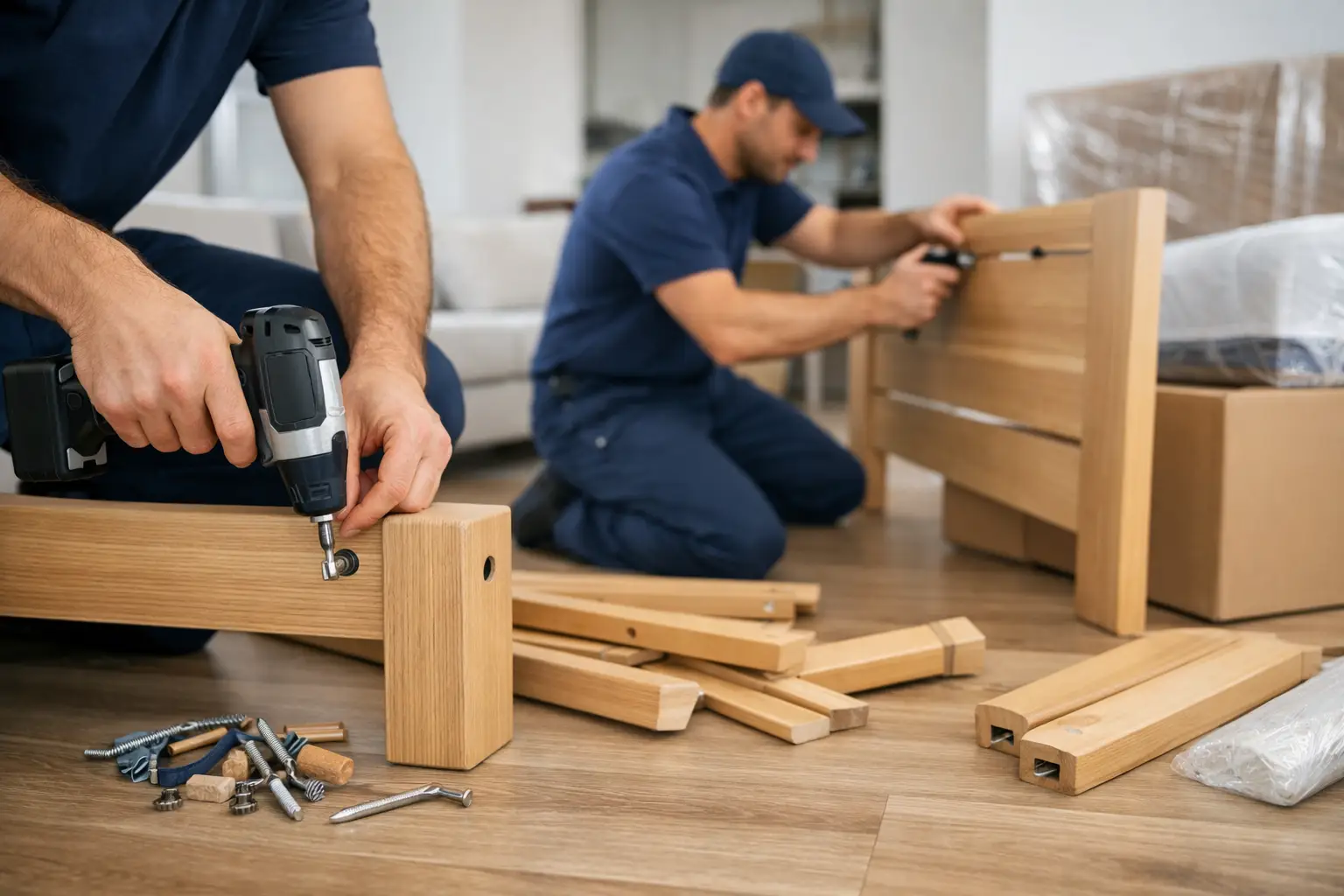
A king bed frame that will not clear the bedroom door, a sectional that cannot turn through the stairwell, and a desk too large for the elevator can stop a move before the truck is loaded. So, do movers disassemble furniture? Often, yes - but the exact answer depends on the item, the moving company’s service scope, and what is included in your quote.
Professional movers commonly take apart basic furniture when it is necessary for safe transport. That does not mean every item should be disassembled, or that every crew will handle every type of assembly. The best approach is to identify large or complex pieces early and confirm the plan before moving day.
Do Movers Disassemble Furniture as Part of a Move?
Many moving crews disassemble standard household furniture that cannot be safely moved in one piece. Bed frames, dining tables with removable legs, simple desks, shelving units, and some sectionals are common examples. The goal is not to take apart furniture unnecessarily. It is to protect the item, prevent damage to walls and doorways, and make loading and unloading more efficient.
Whether this work is included can vary. Some companies include basic disassembly and reassembly in a full-service move. Others charge for it separately, limit it to certain items, or require customers to request it in advance. A local move, a long-distance move, and a commercial relocation may also have different service terms.
For that reason, do not assume that furniture assembly is automatically covered because a company is providing loading and transportation. Share details during the quote process, including the furniture type, approximate size, and any access challenges at either location.
Furniture Movers Commonly Take Apart
Movers are generally equipped to handle straightforward items designed to be assembled and disassembled with common tools. A bed frame is one of the most frequent examples. Crews may remove slats, side rails, headboards, footboards, and support legs so the frame can be wrapped and moved securely.
Dining tables may be another practical candidate, especially if the legs are removable or the tabletop is large and heavy. Certain desks, bookcases, entertainment centers, and modular office workstations may also need to come apart to pass through doors or reduce the risk of damage.
Sectional sofas depend on the design. Some sections disconnect easily, while others are built as fixed units and must be moved as they are. Reclining sofas can require special handling because of their weight and moving parts. The crew may remove detachable backs or legs when the design allows it, but this is not universal.
In an office move, basic workstations, conference tables, and modular furniture often need disassembly. Commercial furniture can involve more pieces, cable channels, panels, and hardware than residential items. Providing photos and dimensions in advance helps the moving team plan the labor, tools, and timing needed for the job.
Items That May Require Special Arrangements
Some furniture is too delicate, too complex, or too specialized for standard moving-day disassembly. Antique furniture, heirlooms, custom-built pieces, and items with fragile veneers may be safer when handled by a specialty service or moved intact when possible.
Furniture made from particleboard or compressed wood deserves extra attention. These items can weaken after being taken apart and reassembled, especially if screw holes are worn or the piece has already been assembled more than once. A crew may be able to move it, but disassembly can create a greater risk of damage than carrying it intact.
Murphy beds, wall-mounted shelving, built-in cabinets, and furniture attached to walls are usually outside the scope of ordinary moving labor. They may require a contractor, installer, or furniture technician. The same applies to items that involve electrical connections, plumbing, gas lines, or complex mounting systems.
Exercise equipment can also be different from ordinary furniture. Treadmills, large home gyms, billiard tables, and certain massage chairs may require specialty moving services. Do not wait until the truck arrives to mention these items. The equipment may need a different crew, additional protection, or a separate service plan.
What Reassembly Usually Includes
When movers disassemble an item for transport, reassembly at the destination is often part of the same service - but confirm this before booking. Basic reassembly generally means putting the item back together in a functional position, such as rebuilding a bed frame or reattaching table legs.
It may not include detailed installation, wall anchoring, leveling a complicated unit, reconnecting electronics, or restoring every adjustable feature. For example, movers may reassemble an office desk but not reconnect monitors, route cables, or mount equipment to the wall. They may place a bed frame in the requested room, but they may not install a headboard that requires wall mounting.
Ask what “reassembly” means for your specific furniture. Clear expectations prevent a frustrating surprise when you are trying to settle into a new home or get an office operating again.
How to Prepare Furniture Before the Crew Arrives
A little preparation makes the process faster and helps protect your belongings. Empty drawers, cabinets, and shelves unless the mover specifically tells you otherwise. Loose contents add weight, can shift during carrying, and may damage the furniture from the inside.
Remove personal items from desks and media units. Take photographs of cable setups before disconnecting electronics, particularly in a home office or business workspace. If a piece has removable glass shelves, fragile inserts, or decorative components, point them out to the crew and ask how they should be packed.
If you plan to disassemble anything yourself, keep hardware organized. Place screws, bolts, brackets, and small parts in labeled bags, then tape the bag to the furniture only if doing so will not damage the finish. For larger items, keep the hardware with your essential moving documents so it cannot be accidentally discarded.
Before the move, make sure the movers have accurate information about:
- Beds, desks, tables, sectionals, and workstations that may need disassembly
- Narrow stairs, tight hallways, elevators, or restricted loading areas
- Furniture that is antique, fragile, custom-made, or wall-mounted
- Assembly instructions, specialty hardware, or parts that require a particular tool
- The rooms where reassembled items should be placed at the destination
Questions to Ask When Requesting a Quote
The quote stage is the right time to get specific. Describe the furniture rather than using broad terms such as “bedroom set” or “office furniture.” A queen platform bed and a king storage bed may require very different amounts of labor. A small desk is not the same as a multi-piece executive workstation.
Ask whether basic disassembly and reassembly are included, whether there is an additional labor charge, and whether the team can handle your particular furniture type. You should also ask about any items the company does not disassemble, liability limitations for fragile or pressboard furniture, and whether photos would help them assess the work.
At Higgs Moving Service, providing complete move details through the quote request process helps the team organize the right plan before the moving date. Accurate information supports a more reliable estimate and reduces last-minute changes.
When You May Want to Disassemble Furniture Yourself
Handling a simple item yourself can make sense if you know the furniture well, have the right tools, and can keep the parts organized. This may be helpful for a lightweight desk, a basic bed frame, or a shelving unit with clear instructions.
There are trade-offs. Self-disassembly takes time, and mistakes can create delays or damage. It can also leave you responsible for reassembly if hardware goes missing or the item does not go back together correctly. If you are facing a deadline, a difficult stair carry, or a large commercial move, having the moving team manage approved furniture disassembly can keep the work more coordinated.
Avoid taking apart an item just because it looks large. Some pieces are stronger and safer when moved intact. Others become unstable once their structural components are removed. A professional assessment is especially useful for heavy, fragile, or unusually shaped furniture.
Plan for the Furniture, Not Just the Boxes
Furniture is often the part of a move that creates the biggest access and timing problems. Measure doorways, hallways, stair landings, and elevator interiors before moving day. Then compare those measurements with your largest items and notify the moving company about anything that looks tight.
A clear furniture plan gives the crew time to prepare, helps protect your belongings, and keeps the move moving forward. When you request a quote, mention the pieces that concern you most and ask directly how they will be handled.
